
Meet Dabinn, former student accepted to top UK Architecture schools.
“Dan’s belief in me, his passion for art, and his constant support gave me the confidence to try new things and take on ambitious projects that truly shaped me as an artist.”
- Dabinn
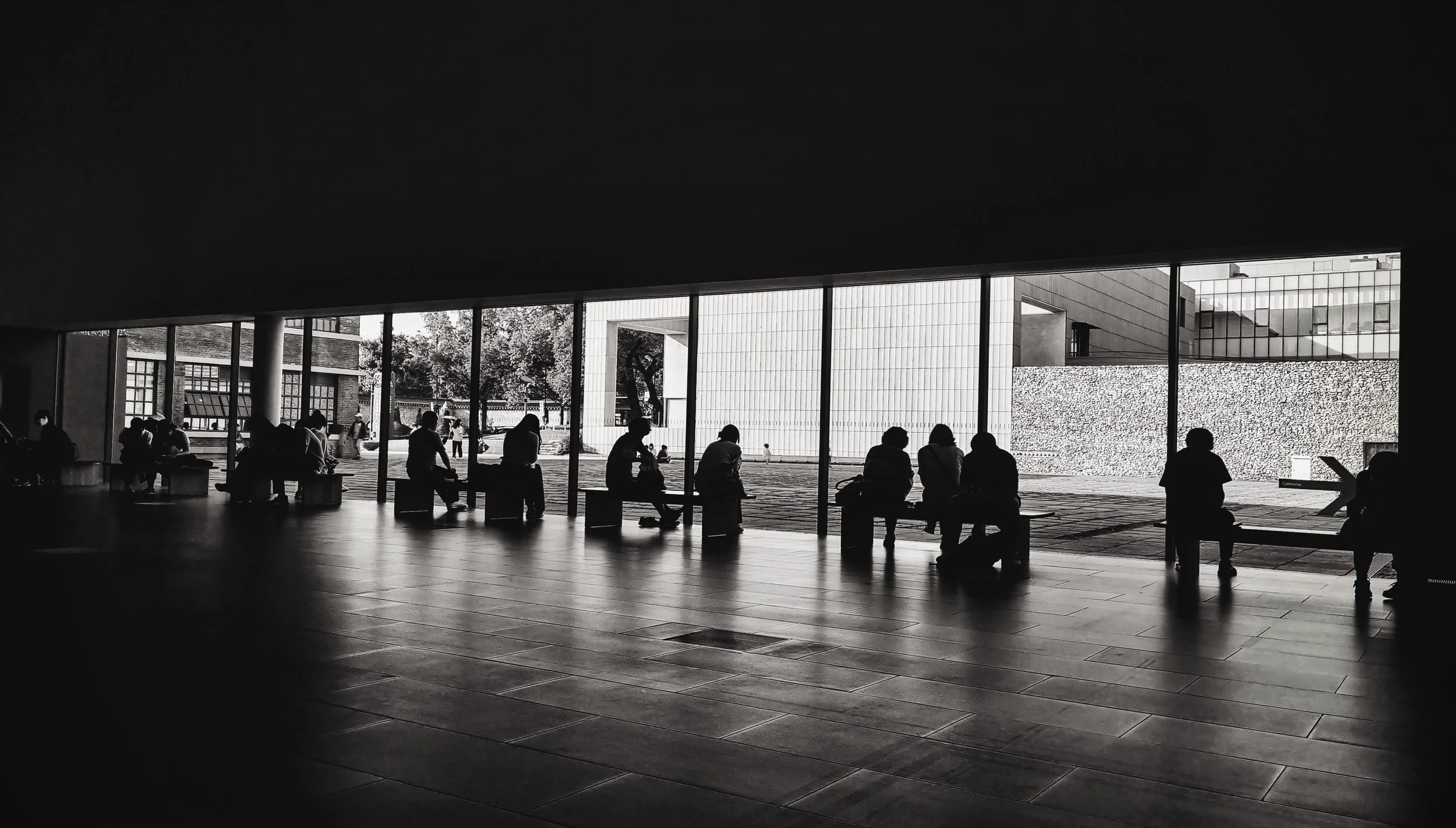
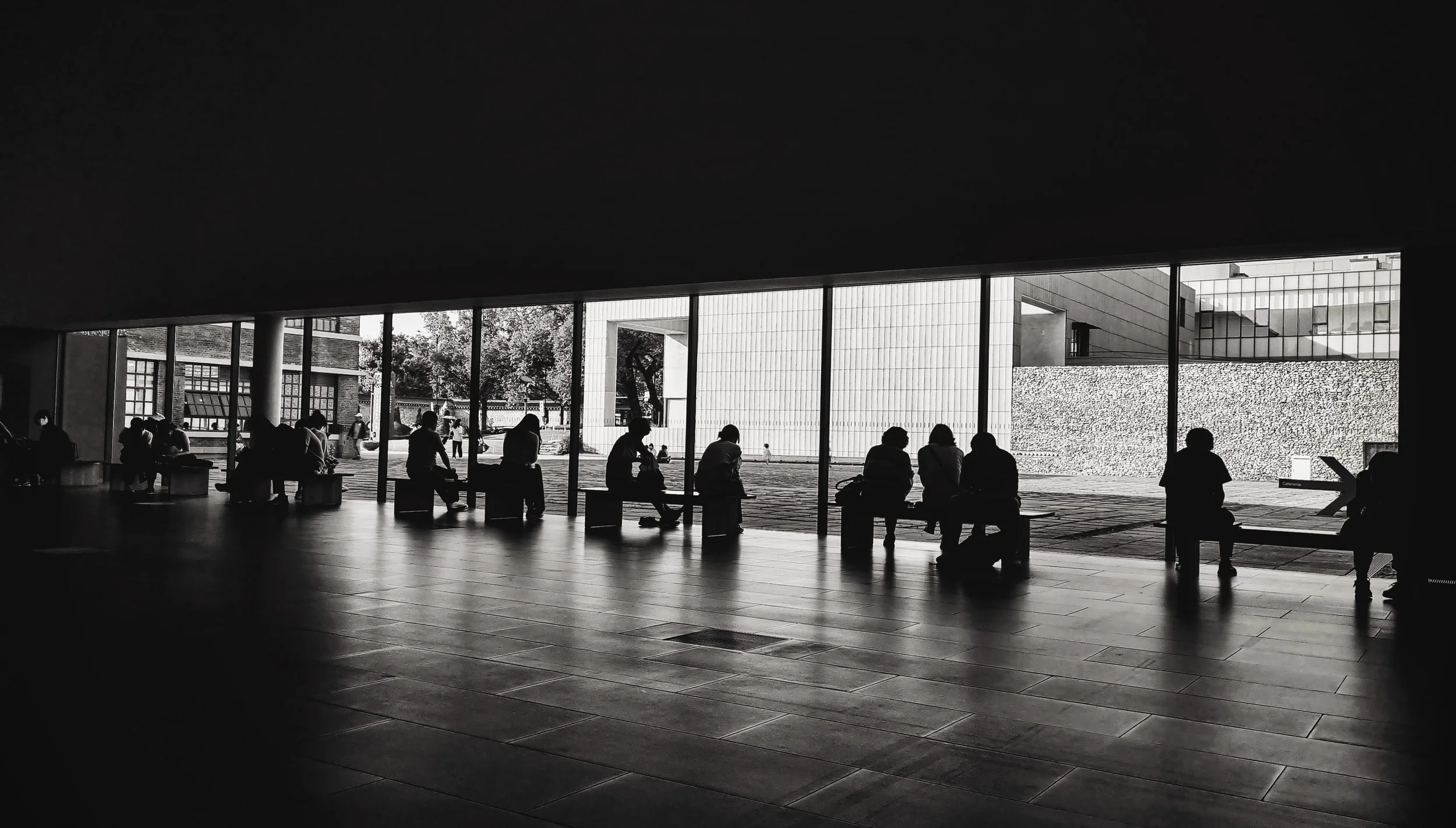
“Fieldtrip Photography” Dabinn Kim, Accepted to Cambridge, Sheffield Uni., Bath Uni.
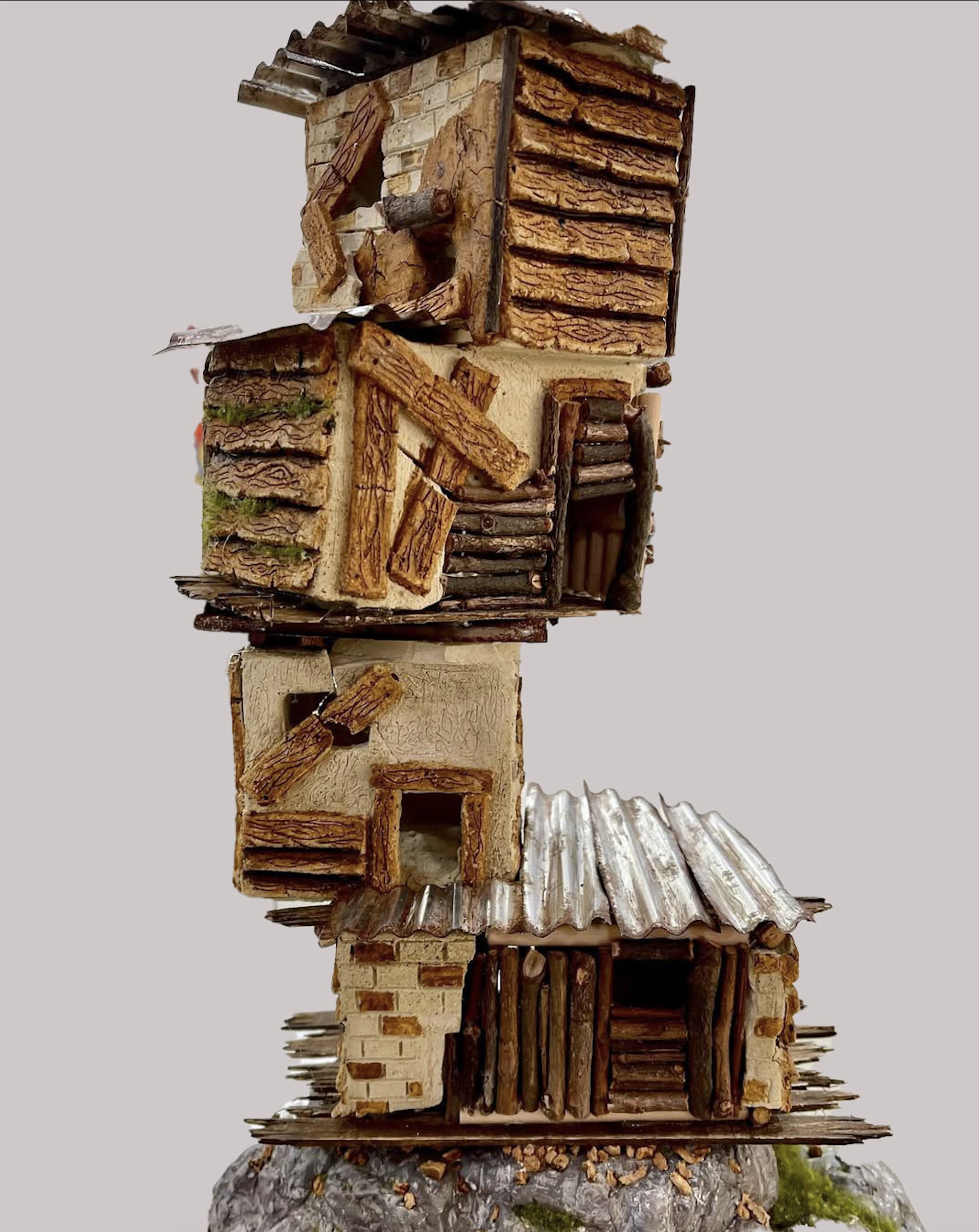
“Slum Skyscraper” Dabinn Kim, Accepted to Cambridge, Sheffield Uni., Bath Uni.
Dabinn’s
Vision.
Her project began with a deeply personal response to the changing architectural landscape of Seoul.

Monoprint, coffee stains on newspaper, Dabinn Kim, Accepted to Cambridge, Sheffield Uni., Bath Uni.
Her process shows detailed sketches, material tests, architectural studies, and critical reflections on urban development.
Her iterative ideation demonstrated maturity, she wasn’t just making artwork, she was investigating a system, questioning values, and developing a visual language that felt entirely her own.

“Fieldtrip Photography”, Dabinn Kim.
Dabinn translated her observations into sustained exploration.
Early research included photographing neighbourhoods, documenting disappearing facades, and gathering stories.
This connection to her city set a foundation of authenticity: a project rooted in lived experience, cultural context, and emotional relevance.
Dabinn’s
Journey.
Turning failure into breakthrough
A kiln explosion. A rebuilt artwork. A clear artistic voice, and offers from leading architecture schools.
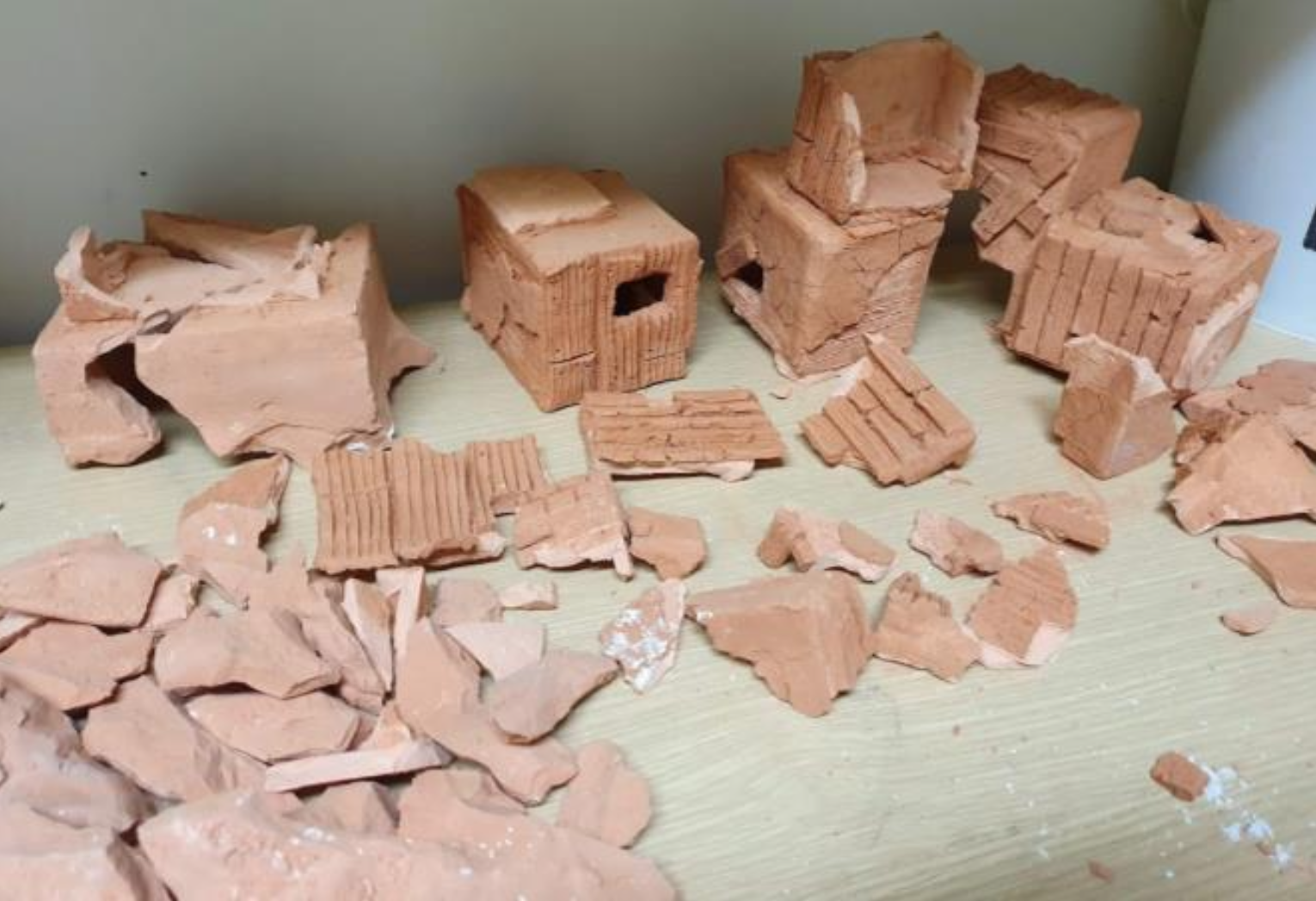
Ceramic Development Dabinn Kim, Accepted to Cambridge, Sheffield Uni., Bath Uni.
She repaired, rebuild and enhanced her artwork.
Impressing top schools with her ingenuity, positivity and resilience
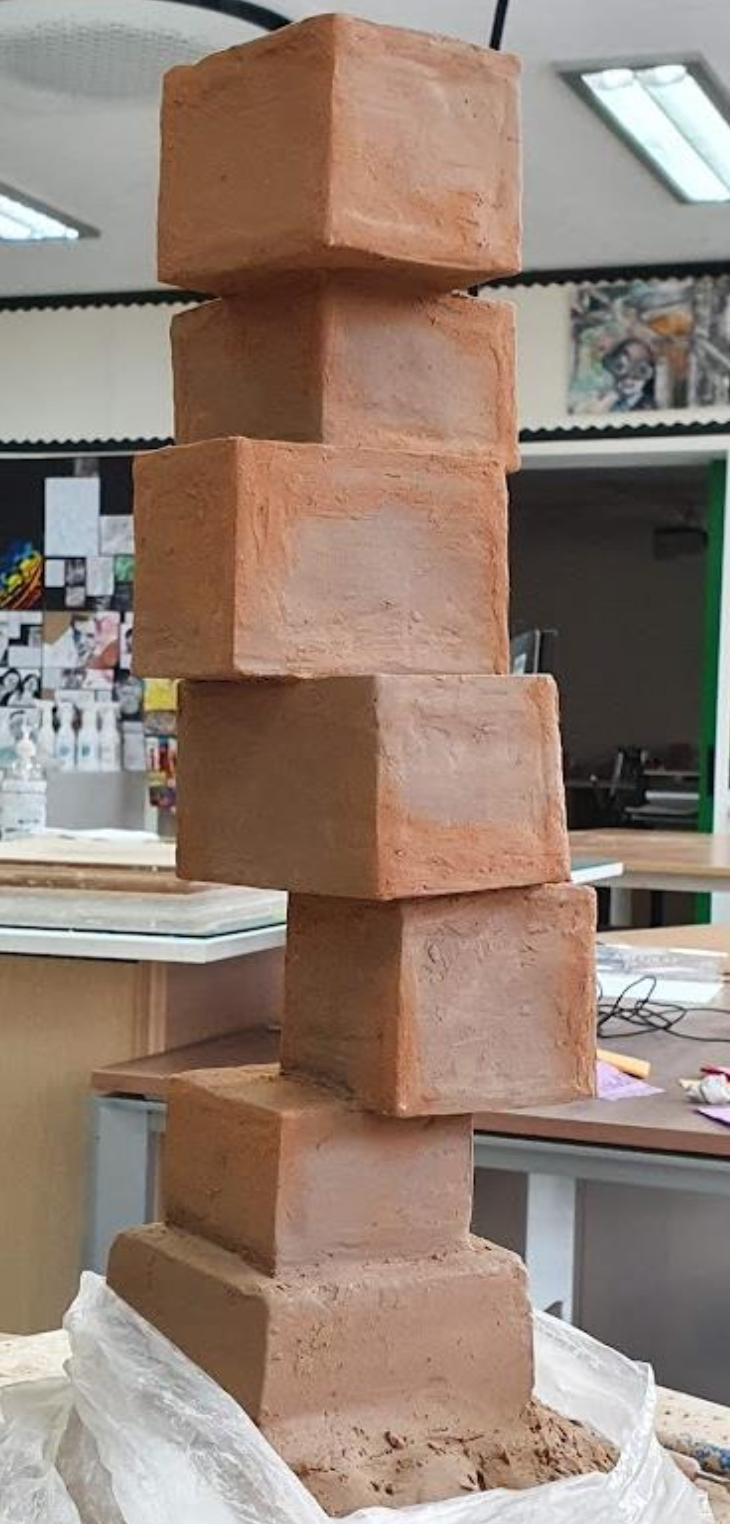
Leaning into her fascination with Seoul’s older buildings she saw opportunity in failure and rebuild her ‘skyscraper’.
Dabinn used this setback as an opportunity.
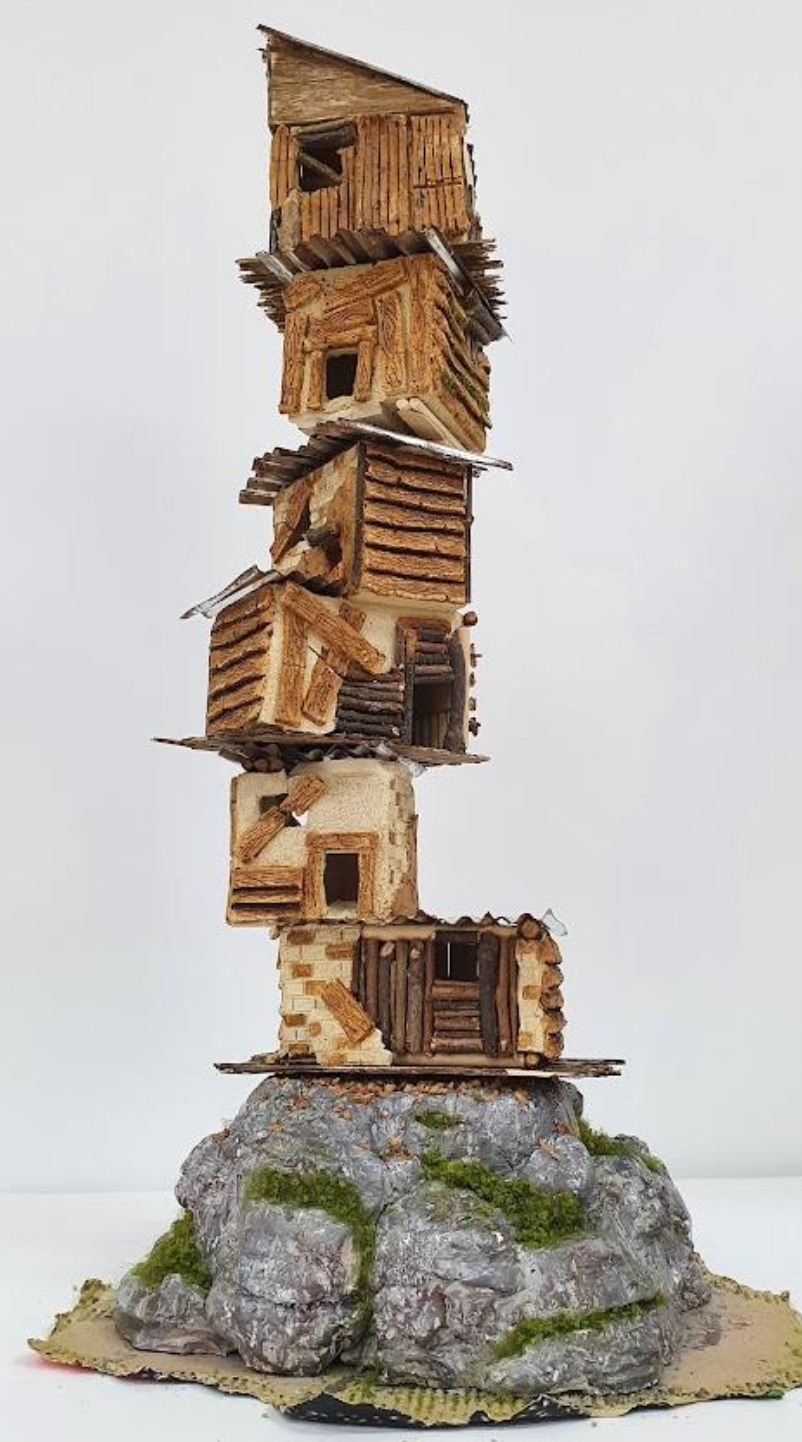
Ceramic Development Dabinn Kim, Accepted to Cambridge, Sheffield Uni., Bath Uni.
Resulting in offers from outstanding UK schools


“Dan’s belief in me, his passion for art, and his constant support gave me the confidence to try new things and take on ambitious projects that truly shaped me as an artist.”
-Dabinn
Portfolio Highlights



Monoprint on Newspaper, Dabinn Kim, Accepted to Cambridge, Sheffield Uni., Bath Uni.
Working closely with Dabinn, I saw her transform challenges into opportunities through creativity, reflection, and resilience. Her story shows how the right strategy and mentorship can help students stand out to the world’s top universities.
Inspired by Dabinn’s journey?
“Use your portfolio not just to show what you’ve made, but to communicate how you think.”
- Dabinn

Interview with Dabinn
Q: What was the biggest challenge in developing your portfolio?
A: Deciding the hierarchy of works and creating a flow. Balancing quality with clarity was difficult — overcrowding weakens impact.
Q: What was the most valuable part of the process?
A: The reflection. Writing about my work helped me articulate not just what I made, but why I made it. That confidence made all the difference in interviews.
“Failure can actually lead to stronger outcomes if you’re willing to embrace it and stay adaptable.”
Q: Which project shaped your development most?
A: My Slum Skyscraper project. It shattered in the kiln, but I reconstructed it into something stronger. That failure turned into a story of resilience and adaptability that interviewers loved.
Q: What advice would you give your past self?
A: Sometimes less really is more. Let your ideas and skills take centre stage. And always include process work — it often sparks the most meaningful conversations.
Q: What made your portfolio stand out?
A: I consistently linked my work back to architecture, even when it wasn’t obvious. I also wasn’t afraid to share clear opinions about contemporary issues, which interviewers picked up on.
“Sometimes less really is more. Let your ideas and skills take centre stage.”
Connect with Dabinn here:


Frequently Asked Questions
-
Fewer than you think — clarity and narrative matter more than volume.
-
Absolutely. It shows problem-solving, experimentation, and adaptability.
-
No. But frame them in ways that connect to architecture (space, society, memory, people).
-
Very. Clean, simple layouts let your work shine — avoid clutter or overly decorative designs.